

Start Here.
A kit of possibilities, imagined in paper and pixels.
Try a first session: choose a small activity, with notes for parents and teachers and a printable session sheet.
You can begin with a machine, a programming idea or a question. Choose what you want to do. The shared explanations are here when you need them; you do not have to complete them before starting a system track.
Make A Game
Choose a machine and start building
Browse the systems with lessons available and choose a language route. You can start here as a beginner; completing Foundations or another system track is not a prerequisite.
Find a system with lessons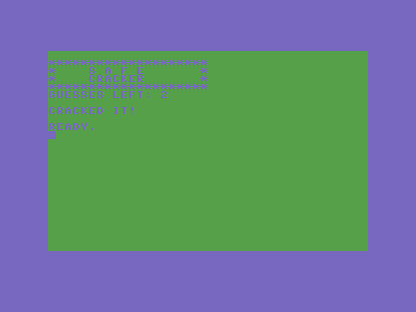
Explore Programming Ideas
Start with the programming concepts
Foundations uses pseudocode to explain instructions, variables, decisions and loops without choosing a machine or language. Follow its guided examples, or return when a lesson raises a question.
Explore The BasicsUnderstand How Programs Run
Look beneath the language
From the Metal explores programming choices through concrete machine behaviour. See why an approach helps, what it costs and where comparisons with modern systems have limits.
Read the programming essaysExplore Game-Making Ideas
Connect maths and game design
The Craft is developing shared explanations for game-making. Maths for Games and Game Feel have their first lessons published, with more sequences to follow.
Explore The Craft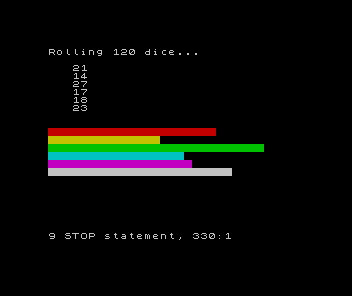
Explore Computing History
Follow the machines and their stories
The Vault connects computers, games, people, companies and culture. You can explore it without following a programming course.
Browse the encyclopaediaParents And Teachers
Help someone else learn
Find guidance for working through the material together, choosing a starting point and supporting questions and experiments.
Read the teaching guideWant to see how these fit together? Explore the curriculum map, read the longer story, or help build what is missing.