
Type a program into a BBC Micro and its BASIC interpreter works out what each statement asks the machine to do. Sophie Wilson wrote that interpreter. A few years later, she designed the instruction set for ARM: the operations that programs could ask Acorn’s new processor to carry out. She worked on both the language people used and the machine beneath it. (BCS career account.)
Making a computer at Cambridge
Wilson was born in Leeds in 1957 and studied at Cambridge. While still a student, she built electronic systems including a controller for feeding cows. Her computer design became the Acorn System 1, sold in 1979. This was a small machine for people prepared to work close to the hardware, rather than the keyboard-and-television arrangement later associated with home computing. (Computer History Museum biography.)
In her 2012 oral history, Wilson recalled showing Hermann Hauser a folder of designs while discussing an electronic pocket diary. He became interested in her home computer. She built a working version, adapting it to the parts available; Hauser commercialised it as the System 1. Her account describes a particular opportunity and prototype, within the beginnings of Acorn Computers. (CHM interview, pp. 10–12.)
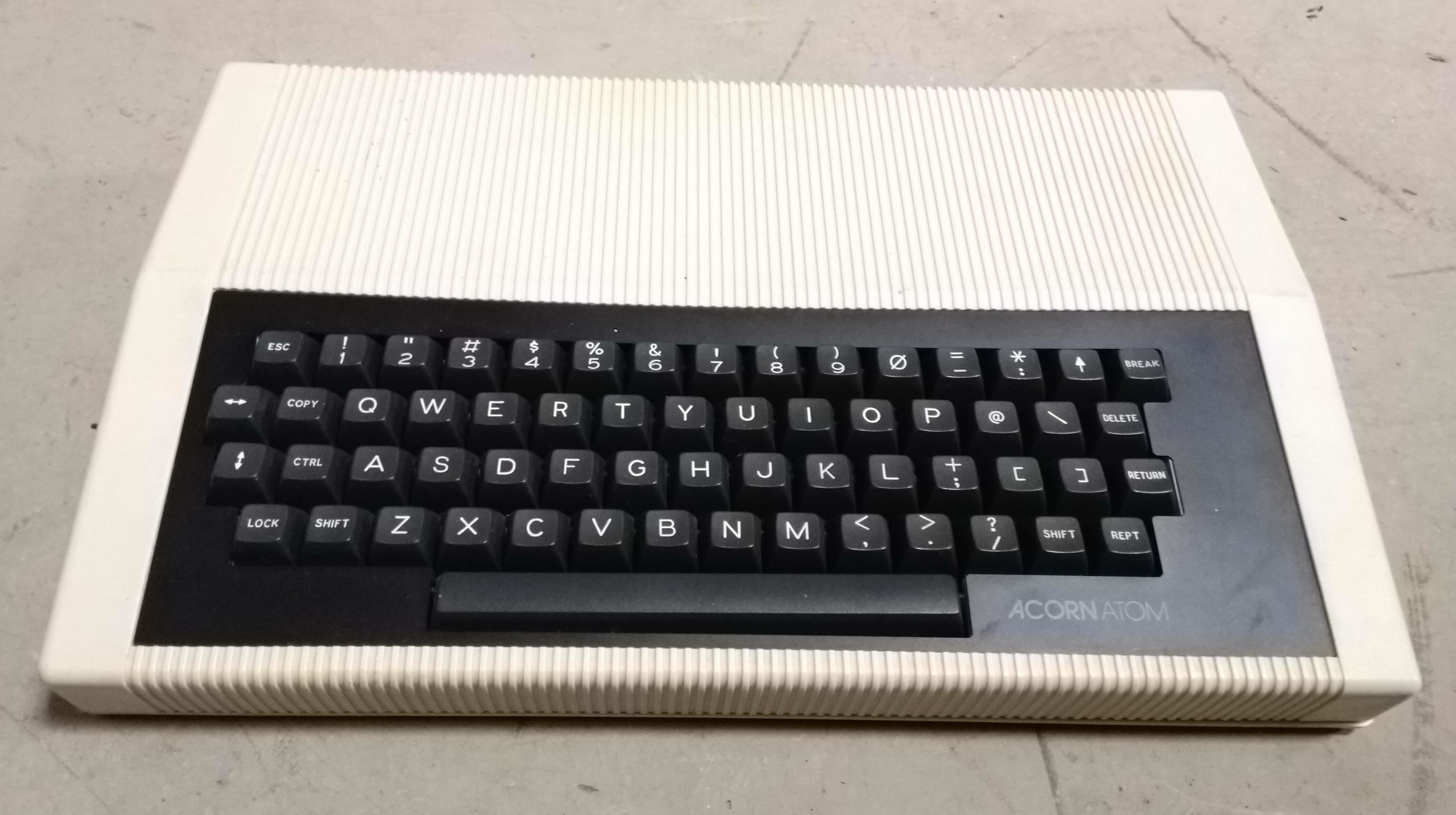
Wilson also wrote Acorn BASIC. The language reached the Acorn Atom, whose manual taught BASIC and assembly language together. BCS’s career account credits her with Acorn Assembler, Acorn BASIC and Atom BASIC, leading to BBC BASIC.
A language for the BBC Micro
In 1981 Acorn developed the machine that became the BBC Micro for the BBC Computer Literacy Project. Wilson and Steve Furber were central to the prototype and the work that followed. Wilson’s interpreter became the BASIC supplied with the computer. The company’s engineers also had to make the board, operating system and connected hardware work together; a working language alone was not a finished machine. (CHM biography; BCS career account.)
BBC BASIC gave a programmer named procedures and functions: pieces of a program that could be called again, with values passed to them. Its built-in assembler let the same programmer write 6502 instructions for work that needed closer control. John Coll’s BBC Microcomputer User Guide explains both facilities, including how BASIC and assembly language can share a program. These were practical tools available to the person sitting at the keyboard, rather than separate products they first had to buy. (1984 guide, chapters 17 and 44, on procedures, functions and assembly language.)
Designing what ARM could do
Acorn next needed a processor for a more ambitious computer. Wilson designed ARM’s instruction set; Furber led the hardware design, with a wider team developing the chip and the software needed to test and use it. Wilson’s oral history describes simulators and verification programs running before the silicon arrived. The instruction set was something the team could try out in software while the physical processor was still being made. (CHM interview, pp. 20–23; Furber interviewed by Ronald Wilson, 2005.)
An instruction set defines operations such as adding two values, comparing them, loading a value from memory or storing one back. ARM used a load/store approach: arithmetic worked on registers, small working locations inside the processor, while separate instructions moved values between registers and memory. VLSI Technology’s later ARM Family Data Manual documents this separation in its data-processing and data-transfer instruction tables. (1990 manual, VL86C010 section, “Instruction Set”.)
The first ARM silicon arrived on 26 April 1985, according to Wilson’s interview. It ran in a second-processor system connected to a BBC Micro. The Archimedes followed in 1987 with ARM at its centre. The development system and the later home computer were different stages, with different jobs. (CHM interview, pp. 23–24; CHM biography.)
Beyond Acorn’s computers
Wilson’s later work included the FirePath processor architecture for broadband communications. The Royal Society describes the start-up formed to develop it and its acquisition by Broadcom. Her career therefore continued beyond the Acorn machines for which she first became known. (Royal Society profile.)
BCS’s account also follows her BBC BASIC implementations across several processors. Keeping a language useful as the hardware changed required continuing software work, alongside the more visible arrival of new computers and chips.
Sources
- Sophie Wilson interviewed by Douglas Fairbairn, Computer History Museum, 31 January 2012, especially pp. 10–12, 16–24 and 26–27. Primary retrospective testimony: System 1, BASIC, the BBC prototype, ARM simulation, team roles and first silicon. Recollections are attributed; the transcript is not a contemporary production log.
- Computer History Museum, “Sophie Wilson”, 2012 Fellow. Secondary institutional biography: birth, student work, System 1, BBC Micro and Archimedes chronology. Its historical shipment total is not a present-day figure.
- BCS, “Sophie Wilson”, Distinguished Fellowship 2020. Institutional career account: Acorn software, BBC BASIC and subsequent implementations.
- John Coll, BBC Microcomputer System User Guide, edited by David Allen, amended by Acorn, issue 1, October 1984. Primary manual, chapters 17 and 44: procedures, functions and the resident assembler; scan hosted by BarryBKS.
- VLSI Technology, Acorn RISC Machine Family Data Manual, 1990, VL86C010 instruction-set section. Primary manufacturer documentation for the load/store explanation; it describes the later ARM2, not a measurement of the first ARM chip.
- Ronald Wilson, interview with Steve Furber, “Asynch pioneer looks to explore the brain”, 11 April 2005, EDN/EE Times. Independent participant testimony distinguishing Wilson’s instruction set from Furber’s hardware implementation and software model.
- Royal Society, “Dr Sophie Wilson”. Institutional profile: instruction-set responsibility and later FirePath work.
- David Johnson-Davies, Atomic Theory and Practice, Acorn Computer, 1980, BASIC and assembler sections. Primary manual for the Atom’s programming environment.
Related reading
- Acorn Computers follows the business and the wider engineering team.
- Cambridge’s games scene connects the machines to the people making games for them.
- Women’s contributions to computing places this work alongside other computing careers.