
ZX Spectrum · 48K · BASIC
Sinclair BASIC
Enter an instruction, see what happens, and make it your own. Grow small programs into games while exploring the Spectrum’s keyboard, screen, colour and sound.
No prior programming experience is needed. You can start here without completing Foundations, and BASIC is not a prerequisite for assembly.
Start Meet BASICBegin with a story
The Meet BASIC lessons grow through four small projects. Enter a greeting, store and edit a program, ask for words, then finish a story you can save and share. Build Lucky Number with clues, chance and another round; give Oracle Stone a rhythm and a shared routine; then compare two ways to steer a marker.
The current course
Explore groups of related games, from first programs to moving and hidden worlds. Follow the games in order or join one that interests you; each explains the BASIC it uses. The groups organise related ideas without adding entry requirements. Story Builder, Lucky Number and Oracle Stone are part of Meet BASIC.

Meet BASIC

Bright Spark

Volley

Touchdown
Sonar
Crates
Locksmith
Three in a Row
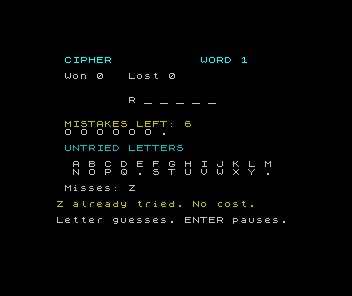
Cipher
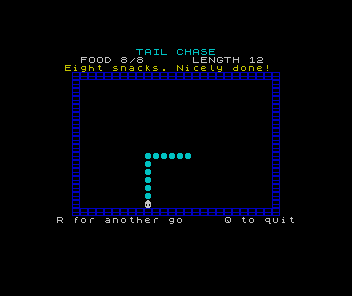
Tail Chase
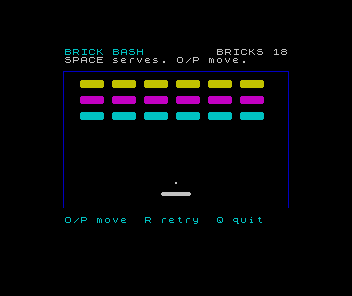
Brick Bash
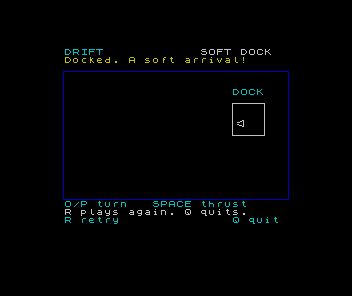
Drift
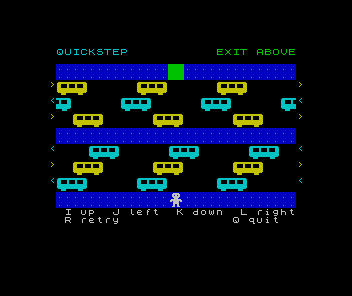
Quickstep
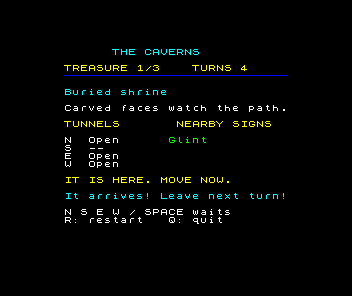
The Caverns
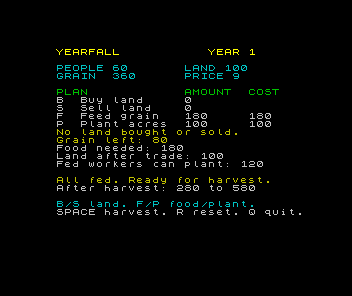
Yearfall
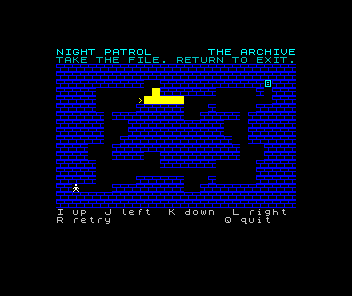
Night Patrol
BASIC reference
Look up commands, graphics, sound, saving and debugging in the Sinclair BASIC reference lessons. Use them when a question arises; they are not an extra course to complete first.
Explore an idea further
Maths for Games includes Dice Roller, a five-lesson probability experiment in Sinclair BASIC. Watch samples form and compare their counts and shares.
The Craft develops game-design questions such as feedback, challenge and player choices. Foundations explores programming concepts. Z80 assembly offers another way into the Spectrum, where you work directly with processor instructions and memory.